The Thermostat Has Opinions: A Sensible Kitchen Guide to Menopause Herbs
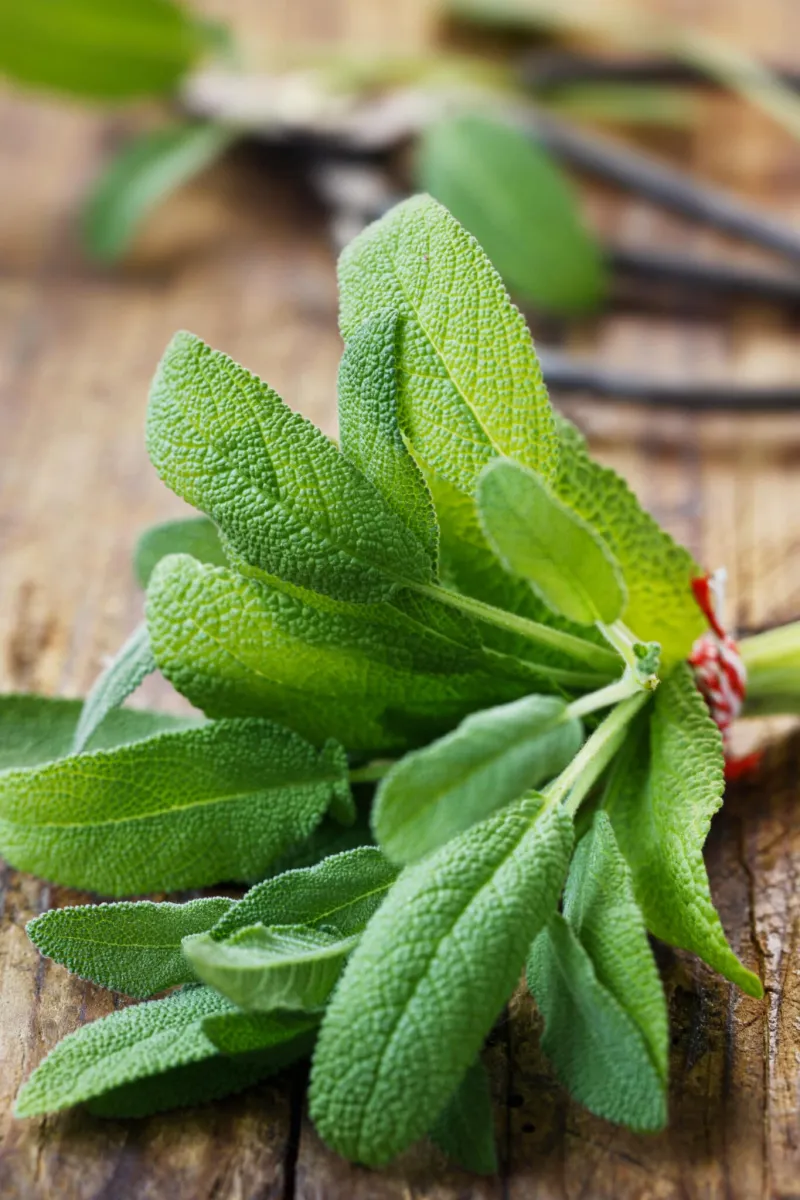
Photo: sage lemon balm chamomile herbal tea cups on a UK kitchen counter, via www.littleyellowwheelbarrow.com
Menopause has a way of making ordinary things feel oddly dramatic. A November morning that used to require a jumper suddenly feels tropical. Sleep becomes a series of small negotiations. And the kitchen kettle, reliable old thing, starts to look like the most sensible member of the household.
Herbal teas are not a replacement for menopause care. They are not HRT in a mug, and they are not a test of how well you are 'coping naturally'. But they can be small, pleasant companions — a warm cup, a pause, a tradition worth handling honestly. In the UK, that usually means sage, lemon balm and chamomile, three herbs that turn up in supermarkets, garden centres and modest online shops with equal lack of fuss.
First, the honest bit
Menopause is a medical and personal transition, not a marketing category. If hot flushes are disrupting your work, if sleep has gone badly wrong, if mood changes feel overwhelming, or if you have bleeding after menopause, speak to your GP. That is not drama. That is just sensible. Herbal teas can sit alongside proper care, but they should not be asked to do a job they cannot do.
It also helps to be specific. 'Menopause herbs' is a vague phrase. Sage is traditionally linked with hot flushes. Lemon balm is associated with restlessness and low mood. Chamomile is the soft-edged classic for frayed nerves. Each has a folk reputation, a little research behind it, and clear reasons not to overdo it.
Sage: the hot-flush herb with a long memory
Sage has been a British kitchen herb for centuries — stuffings, roasts, vinegars, and the sort of winter tea that tastes like a garden shed in a good way. Traditionally, it was used for sweating and fluctuations, which is why it often appears in menopause conversations today.
Some small studies suggest sage may help with hot flushes, but the evidence is not strong enough to promise much. Think of it as a traditional comfort with a plausible reputation, not a guaranteed switch for the internal thermostat.
A cup-sized approach is simple: a few fresh leaves or a modest teaspoon of dried sage, steeped for five minutes, once a day. Keep it culinary. Do not start swallowing sage essential oil or making intensely concentrated brews. Sage contains thujone, and large amounts or long-term heavy use are not wise. If you have epilepsy, are taking medication for seizures, or are unsure about interactions, ask a pharmacist before making it a daily habit.
Lemon balm: for the 3am committee meeting
Lemon balm is the herb for people whose minds hold a committee meeting at 3am. It has a gentle lemon scent, grows enthusiastically in British gardens, and makes a pleasant evening cup. Traditionally it was used for restlessness, irritability and sleep, and modern research has looked at it for anxiety and sleep quality, though the evidence remains modest.
It is not a sedative in the prescription sense, but it can make some people feel drowsy. If you are already taking sleep medication, sedatives, or thyroid medication, speak to a pharmacist or GP before using it regularly. Herbal does not mean interaction-free.
A sensible cup: one to two teaspoons of dried lemon balm, or a small handful of fresh leaves, steeped covered for five to seven minutes. Drink it an hour before bed, not in a giant thermos after lunch unless you enjoy feeling vague by mid-afternoon.
Chamomile: soft edges, not a cure
Chamomile is the tea equivalent of a folded blanket. It will not fix menopause, but it can make the edges of an evening feel less sharp. Traditionally used for digestion, calm and sleep, it has a mild evidence base for relaxation and sleep quality — enough to justify a cup, not enough to replace care.
Keep it simple: one teaspoon of dried flowers per mug, steeped for five minutes. If you have an allergy to daisies or other plants in the aster family, be cautious. If you take anticoagulants, check with a pharmacist, as chamomile can interact with some medicines.
A small, boring routine beats a heroic one
Here is a practical pattern that does not require a new personality: sage in the morning after breakfast, lemon balm or chamomile in the evening. Rotate them. Keep the doses modest. Write down what you are drinking and how you feel for a couple of weeks, because memory is unreliable when sleep is patchy.
Do not stack several herbal products at once, especially tinctures or capsules. A cup of tea is one thing; a cupboard of concentrated supplements is another. If you are on HRT, blood pressure medication, diabetes medication, thyroid medication or anticoagulants, run your herbal plans past a pharmacist. It is a short conversation that saves a lot of guesswork.
When to put the kettle down and ring the GP
Speak to your GP if symptoms are affecting your daily life, if you have bleeding after menopause, if you have chest pain or palpitations, if mood changes feel severe, or if you are simply unsure. Menopause care in the UK is not one-size-fits-all, and you are allowed to ask for help without first proving you have tried every tea in the shop.
Herbal teas are companions, not replacements. Sage, lemon balm and chamomile can be part of a thoughtful routine — warm, familiar, inexpensive and pleasantly British in their lack of drama. But the real work is proper care, honest information and a kitchen shelf that supports you rather than promises miracles.