A Green Cup, No Mystique: Drinking Nettle in a British Kitchen
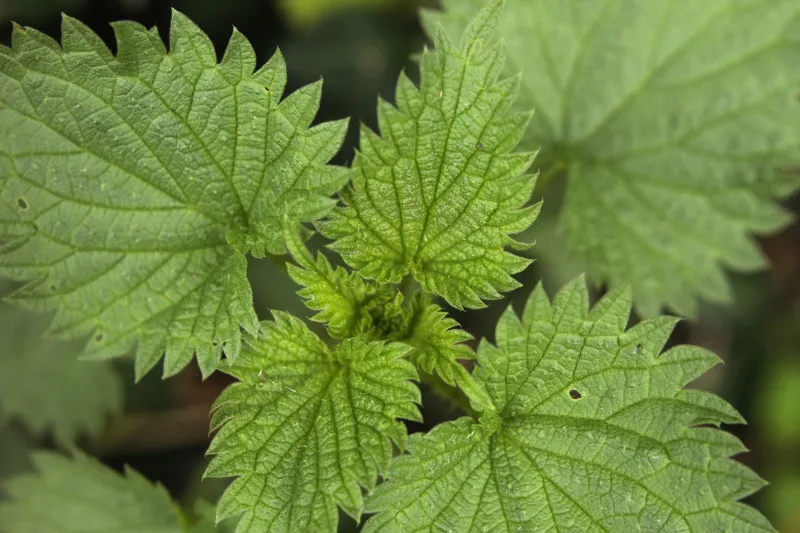
Nettle has a reputation problem. In some circles it is billed as a cure-all; in others it is remembered mainly as the plant that got you on a childhood walk. Neither version is much help when you are standing in the kitchen with a kettle and a mug. As a drink, nettle is simply a herb: green, earthy, mildly bitter and rather good once you stop expecting it to perform miracles.
That is the sensible starting point. Stinging nettle — Urtica dioica, if you like the label — grows almost everywhere in Britain, from hedgerows and allotment edges to the scruffy corner behind the bins. Dried leaf is easy to buy, teabags are widely available, and neither costs much. The useful question is not whether nettle is a wonder plant. It is whether it suits your cup, how much you should drink, and when to leave it alone.
Dried leaf or teabag?
Both have a place. Loose dried nettle leaf usually gives you more flavour and more control. You can see what you are buying, adjust the strength and use it in blends without fighting the proportions of a ready-made bag. Look for food-grade leaf, ideally with the Latin name on the packet and a harvest or best-before date. A health food shop, a decent garden centre or a reputable online herb supplier is a better bet than a mystery bag from a car-boot sale.
Teabags are the practical option for work, travel or mornings when measuring feels like a stretch. They tend to be milder and sometimes a little dusty, so check that the box says pure nettle rather than a blend with a token pinch of leaf. If you want convenience without a weak cup, use two bags and give them a full five minutes. Neither loose leaf nor bags are medicines, and neither should be treated as a replacement for anything your GP has prescribed.
What it actually tastes like
Expect green. Not in a bright, sugary way, but in the way that spinach water or a fresh garden pea pod is green. There is a hay-like note, a soft earthiness and a mild bitterness that lingers at the back of the tongue. Good nettle is not unpleasant; badly brewed nettle is like drinking a hedge. The difference is usually too much leaf left in the water for too long.
It is not a tea to drink scalding hot and in a hurry. Let it cool for a minute or two. The flavour opens up and the bitterness settles. Some people add honey; a slice of lemon is also fine, though it will change the colour and sharpen the taste. Milk is not a natural partner. If you are used to builder's tea, give yourself two or three cups before you decide. Nettle is one of those herbs that grows on you quietly.
Brewing without fuss
Use about one heaped teaspoon of dried leaf per mug, or one teabag. Pour on water that has just come off the boil, cover the mug with a saucer and leave it for five to eight minutes. Covering matters: it keeps the aromatic bits in the cup rather than in the kitchen air. Strain, and drink while it is warm rather than hot.
If you are using fresh leaf from the garden, pour boiling water over it and let it stand for a few minutes. The heat takes the sting out, though you should still handle the raw plant with gloves. Do not boil the tea for ages or stew it on the hob; that is how you get the bitter, stewed flavour that puts people off for good.
Blending for the darker months
Nettle is a team player. Its grassy backbone sits well with herbs that are brighter or warmer, which makes it useful from October through to March when the days are short and the kettle is on more often.
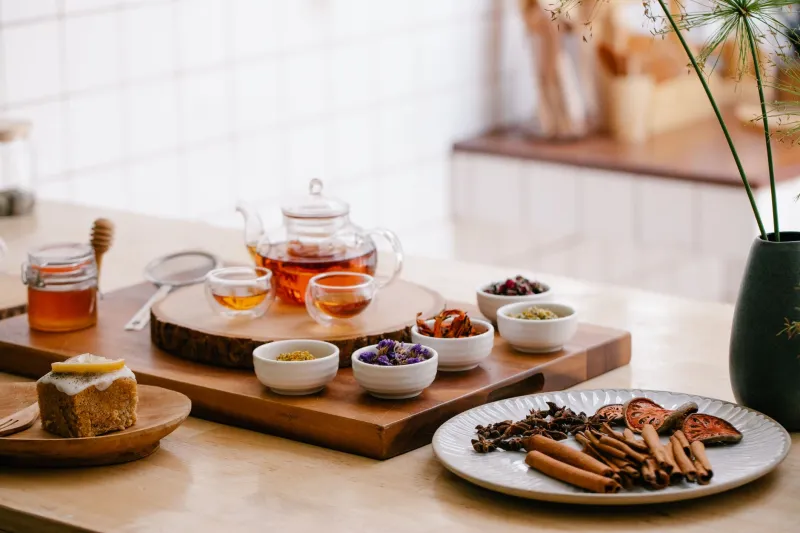
A simple everyday blend is two parts dried nettle to one part peppermint. The mint lifts the greenness and makes the cup feel less earnest. For a colder-weather mug, try two parts nettle, one part dried ginger and a few strips of dried orange peel. It is warming without being fiery, and the orange gives it a bit of cheer. Lemon balm is another good partner if you want something softer and more floral; fennel seed works if you like a slight aniseed edge.
None of these blends need to be precise. Treat the proportions as a starting point, taste as you go and write down what you like. A jar of nettle and a jar of mint on the shelf will get you through most of the winter.
The safety notes that matter
Nettle tea is generally mild, but mild does not mean anything goes. If you are pregnant or breastfeeding, ask your midwife, health visitor or GP before making it a regular habit. If you take medication for blood pressure, diabetes or a heart condition, or if you take diuretics or warfarin, speak to a pharmacist or your GP first. Nettle can interact with some medicines, and it contains vitamin K, which matters for people on warfarin. The same goes if you have kidney problems or are due surgery.
Keep it sensible: one or two cups a day is a reasonable everyday amount for most healthy adults. More is not better. If it gives you an upset stomach, stop and see how you feel. And please do not stop or change prescribed medication because of something you read about a plant. Herbal tea is a pleasant ritual, not a treatment plan.
If you forage, forage carefully
Stinging nettle is easy to identify, but that does not make every patch suitable. Pick young tops in spring, before the plant flowers, and wear gloves. Avoid roadsides with heavy traffic, places where dogs are walked, sprayed verges and anything you cannot be certain has not been treated with weedkiller. Take only a little from each clump, leave the roots and the older stems, and never pick from land you do not have permission to use.
If any of that sounds like more trouble than it is worth, buy dried leaf instead. There is no shame in it. The point is to drink nettle, not to prove something.
A plain sort of useful
Nettle will not transform your health, and it does not need to. It is a cheap, widely available herb that makes a decent cup, blends well and fits neatly into a British kitchen shelf. Treat it as a small everyday habit rather than a folk remedy with a halo. A jar in the cupboard, a mug on the table and five quiet minutes are enough.