The Folded Flannel: Warm Herbal Compresses for Ordinary Aches

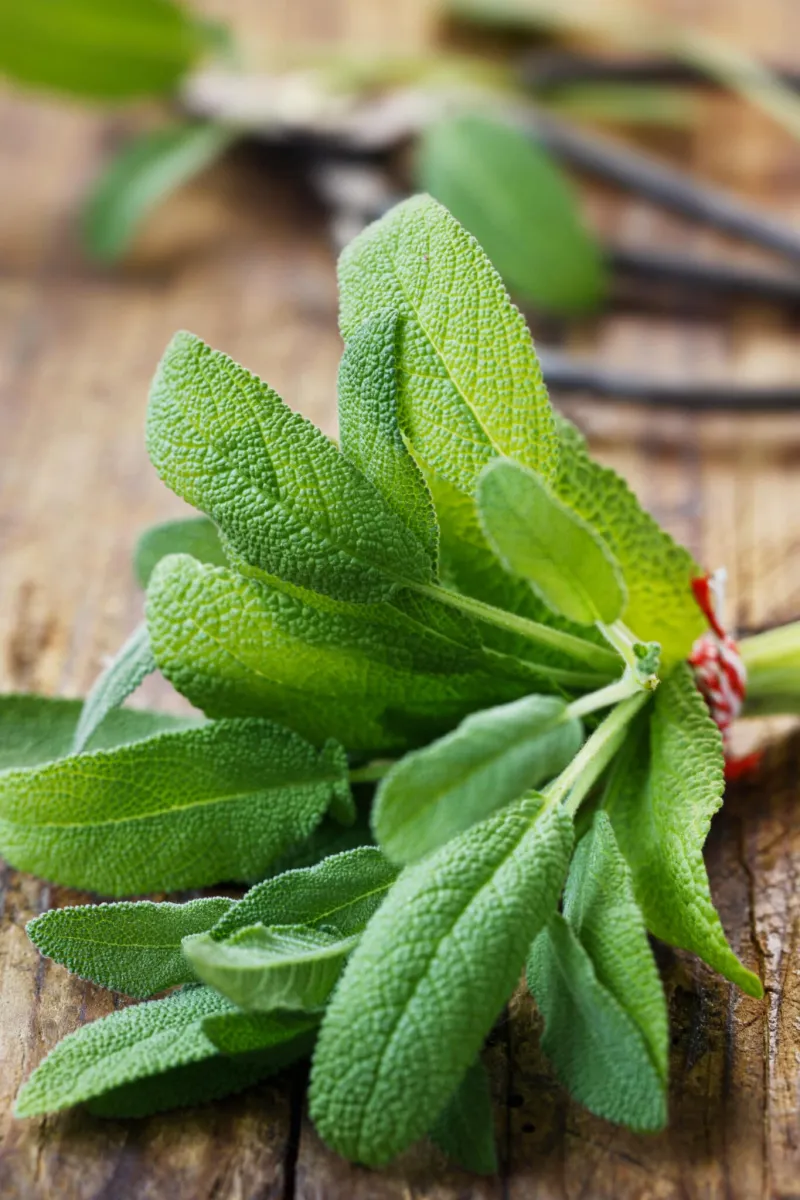
Photo: warm herbal compress flannel cloth bowl sage thyme rosemary on wooden kitchen table, via gray-wgcl-prod.gtv-cdn.com
There is something deeply unglamorous about a herbal compress, which is probably why it works so well as a domestic ritual. It is not a tincture, a capsule or a clever blend in a pretty tin. It is a bowl, a cloth and some hot water. The herb goes in, the cloth gets soaked, and you sit still for ten minutes with something warm against a stiff shoulder or a tired back. In a British kitchen, that is about as traditional as it gets.
This is not a miracle treatment, and it should not be sold as one. A compress is simply a way of applying gentle warmth and a herbal infusion to the outside of the body. It can be soothing, familiar and pleasantly low-tech. It can also cause a nasty burn if you rush it, or irritate the skin if you use the wrong herb. So the useful question is not whether compresses are magical. It is how to make one safely, with herbs you already know, and when to leave well alone.
What a compress is, and what it is not
A herbal compress is a clean piece of cloth soaked in a strained herbal infusion, wrung out so it is damp rather than dripping, and laid on the skin. It is sometimes called a fomentation, which sounds grander than it is. The warmth is part of the point. The herb is part of the point. The quiet sitting down is probably part of the point too.
It is not a substitute for medical care. It is not a way to draw out infection, fix a joint or replace a prescribed treatment. It is a comfort measure for ordinary, mild aches and stiffness, and it belongs in the same category as a hot water bottle or a warm bath: nice, useful, and worth doing properly.
The cloth-and-bowl method
You do not need special equipment. A clean cotton flannel, a piece of old sheeting or a soft tea towel will do. Avoid synthetic fabrics, which can hold heat unevenly and feel unpleasant against the skin. You also need a heatproof bowl, a kettle, a strainer and a dry towel to cover the compress once it is in place.
- Put one to two tablespoons of dried herb, or a small handful of fresh herb, into a heatproof bowl.
- Pour over just-boiled water, enough to cover the herb generously.
- Cover the bowl with a plate and leave it to steep for five to ten minutes.
- Strain the liquid into a second bowl, or fish out the herb with a spoon.
- Let the liquid cool until it is warm rather than steaming. This matters more than any other step.
- Soak the cloth, wring it out firmly, and test it on the inside of your wrist before it goes anywhere near the treatment area.
- Lay the cloth on the skin, cover it with a dry towel to hold the warmth in, and rest for ten to fifteen minutes.
Do not reheat a used compress in the microwave, and do not keep a bowl of infusion hanging around for later. Make a fresh one each time. If the cloth starts to feel cold, that is the end of the session, not an invitation to crank up the heat.
Four familiar herbs, used plainly
Sage, thyme and rosemary are the sort of herbs that already live in British kitchens, often in dried form at the back of a cupboard. Chamomile is the gentler, more familiar option, and it is the one most people reach for when they want something calming rather than bracing.
Sage has a strong, savoury scent and is traditionally used in warm compresses for everyday stiffness. Thyme is similarly aromatic and has a long domestic history in steam and rubs. Rosemary is warming and sharp, and a little goes a long way. Chamomile is softer and more floral, and it suits a compress that is meant to be restful rather than robust.
None of these herbs is a cure for anything. They are familiar plants with familiar smells, and that familiarity is part of their value. Use one herb at a time unless you already know how your skin responds to a blend. If you are allergic to any plant in the daisy family, be especially cautious with chamomile. If you have hay fever or sensitive skin, do a small patch test on the inner arm and wait a few hours before using a compress properly.
Heat, skin and common sense
The most important safety rule is simple: warm, not hot. Skin that is already damaged, broken, sunburnt, numb or inflamed should not be treated with a hot compress. Neither should an area where you cannot feel sensation properly. If you have diabetes, circulation problems, neuropathy or a condition that affects how you feel heat, speak to your GP or pharmacist before using warm compresses at home. The same applies if you are pregnant, using a compress on a child, or treating an area that has been recently injured or operated on.
Do not lie on a compress and fall asleep. Do not wrap it in plastic. Do not leave it on for longer than fifteen minutes at a time. Check the skin underneath every few minutes, and stop at once if it looks redder than before, feels itchy or starts to sting. If a compress causes a rash, blistering or lasting redness, treat it as a skin reaction and seek advice.
When a compress is a comfort rather than a cure
A warm compress can be a kind thing to do for a stiff neck after a long day at a desk, a tired lower back, or shoulders that have been hunched against the November cold. It can feel soothing on a mild, familiar ache. It is not the right tool for sudden swelling, a hot red joint, a fever, an open wound, a suspected infection or pain that is new and unexplained. In those cases, warmth can make things worse. Use the NHS 111 service or speak to a pharmacist or GP if you are unsure.
The quiet return of the herbal compress is not really about reviving an old cure. It is about reviving an old pace. A bowl on the counter, a cloth folded neatly, ten minutes when nothing else is expected of you. Used sensibly, with familiar herbs and a healthy respect for heat, it is a small, grounded comfort for ordinary aches. That is quite enough.