Steeping Between Spreadsheets: A Practical Workday Herbal Kit for UK Offices
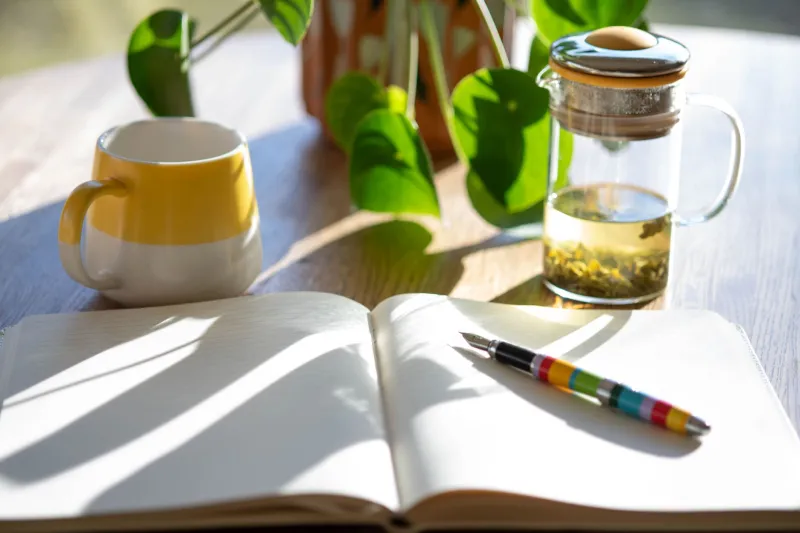
Most of us do not have a hob at work, let alone a quiet five minutes to tend a pan. But a desk-side herbal habit can still be refreshingly low-tech: a mug, a kettle down the corridor, a small strainer or a few teabags, and a little thought about timing. The aim is not to turn your desk into a pharmacy. It is to make the tea break feel like a proper pause, rather than another thing to do while replying to emails.
Start with a small, sensible kit
For a UK workday, four herbs cover a lot of ground without crowding your drawer. Peppermint is the familiar after-lunch option. Rosemary feels bright and green, and is traditionally associated with alertness, though it is best treated as a pleasant ritual rather than a concentration pill. Lemon balm is gentler and more mellow, often chosen for the later afternoon. Ginger brings warmth and a bit of bite, useful on damp commuting days or when the office air feels stale.
You do not need loose leaf, but it often gives a better cup. A small tin of dried peppermint, a bag of lemon balm, a few rosemary sprigs from the supermarket and a piece of fresh ginger will see you through a week. Add a reusable stainless-steel infuser, a tiny teaspoon and a lidded travel mug or thermos. If your workplace kettle is shared, a thermos also lets you brew at your desk without hovering by the kitchen tap.
Morning: rosemary or peppermint, but keep it simple
For the first cup of the day, many people want something that feels clean rather than heavy. Rosemary tea is easy: a small pinch of dried leaf, or a short fresh sprig, in hot water for five to seven minutes. Cover the mug while it steeps if you can; it keeps the aroma in and stops the office air conditioning from stealing the point. Sip it slowly. The tradition around rosemary is lovely, but the practical benefit is often just the pause and the warm drink.
Peppermint can work well mid-morning too, especially if you have had a milky coffee and want something caffeine-free afterwards. It is not a good match for everyone, though. If you are prone to reflux or heartburn, peppermint may make things feel worse, so lemon balm or ginger may be kinder. Peppermint tea is also a sensible choice if you are trying to cut down on caffeine without switching to squash.
Afternoon: lemon balm for the softer landing
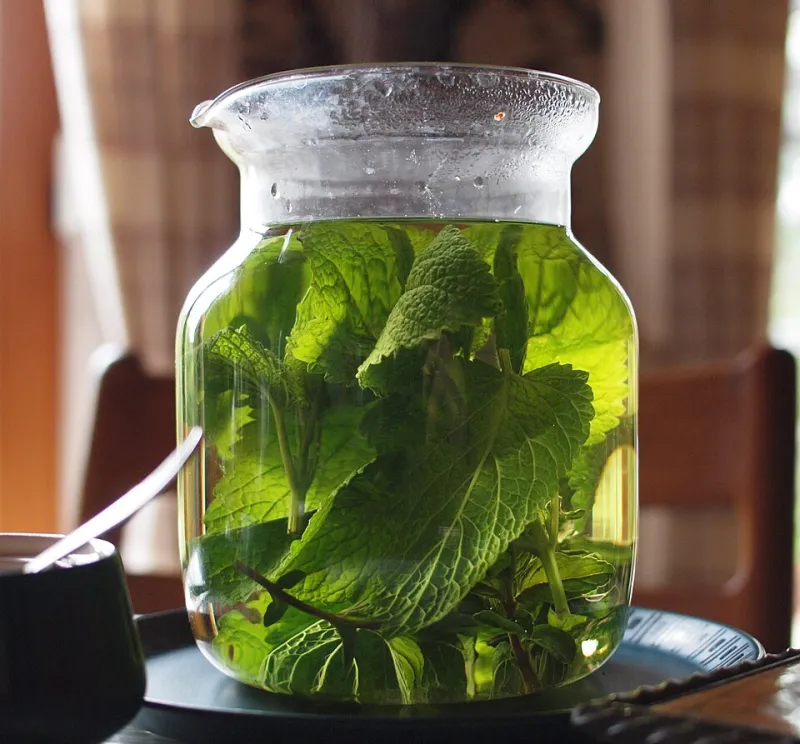
The post-lunch stretch is where lemon balm earns its place. It has a soft, lemony flavour and a long tradition of being used for calm, which makes it a natural fit for the 3pm lull. Brew one to two teaspoons of dried leaf per mug for five to ten minutes, then remove the leaves. If you leave it steeping for an hour, it can become muddy and less pleasant.
Lemon balm is caffeine-free, which is useful if you are sensitive to coffee after midday. It is not a sedative, but some people find it relaxing enough that they prefer not to drink a large mug right before a difficult meeting. As with any herb, check with a pharmacist if you take regular medication; lemon balm can interact with some thyroid medicines and may add to the effects of sedatives. If you are pregnant or breastfeeding, keep to ordinary food amounts and ask for advice before using it as a regular medicinal tea.
Ginger: the commuting-day warmer
Ginger is the one to keep for cold platforms, overheated trains and days when your throat feels scratchy. Fresh root is best: slice a few thin coins, pour over hot water and steep for ten minutes. Dried ginger is stronger, so start with a small pinch. A little honey and lemon is fine, though remember that honey is still sugar and is not suitable for infants under 12 months.
Ginger can be sharp on an empty stomach, so pair it with breakfast or a biscuit rather than drinking it first thing. People on anticoagulants, or those with gallstones, should be cautious with large or frequent medicinal amounts and ask their pharmacist. A warming cup now and then is a different matter from taking concentrated ginger supplements.
Brewing without a full kitchen
At work, the simplest method is the one you will actually repeat. Put your herb in a mug or infuser, fill it from the kettle, cover it with a saucer or lid, and set a timer on your phone. Remove the leaves when the time is up. If you use teabags, check the box for brewing guidance and avoid leaving the bag in for the whole afternoon unless you like a very bitter cup.
A thermos works well for ginger or rosemary: brew a little stronger at home, strain, and carry it in. Do not keep a milky or honey-sweetened drink warm for hours; plain herbal infusions are more forgiving. If your office only has a hot-water tap, use it with care and let the cup cool to a drinkable temperature. And keep a small cloth or coaster handy, because herbal tea on a keyboard is a very modern kind of regret.
The tea-break rhythm
Try not to replace all your water with herbal tea. One or two cups across the day is a sensible rhythm for most people, with plain water in between. Rotate the herbs rather than drinking the same strong brew from morning to night. Peppermint after lunch, lemon balm in the afternoon and ginger on a cold commute is plenty. Rosemary can sit alongside them as an occasional morning cup.
If you are caffeine-sensitive, the good news is that all four are caffeine-free. That makes them useful alternatives to the third coffee, but they are not a cure for a bad night's sleep or a stressful job. The real benefit is often the small boundary: kettle, mug, five minutes, no screen.
Safety notes worth keeping in the drawer
Herbal teas are generally mild, but mild does not mean irrelevant. If you take prescription medicine, have a long-term condition, are pregnant or breastfeeding, or are buying for a child, ask a pharmacist before making a herb a daily habit. Avoid essential oils in drinks; they are far more concentrated than a tea and are not interchangeable with dried leaf. If you have allergies to plants in the mint family, check individually. And if a sore throat, cough or stomach problem is persistent, worsening or worrying, speak to a pharmacist or GP rather than relying on another mug.
A desk-side herbal kit is at its best when it stays modest: four familiar herbs, a strainer, a lid and a bit of curiosity. It will not fix the working day. It might just make the next tea break feel like yours.