Slow, Steady, Steeped: The Quiet Case for Everyday Herbal Habits
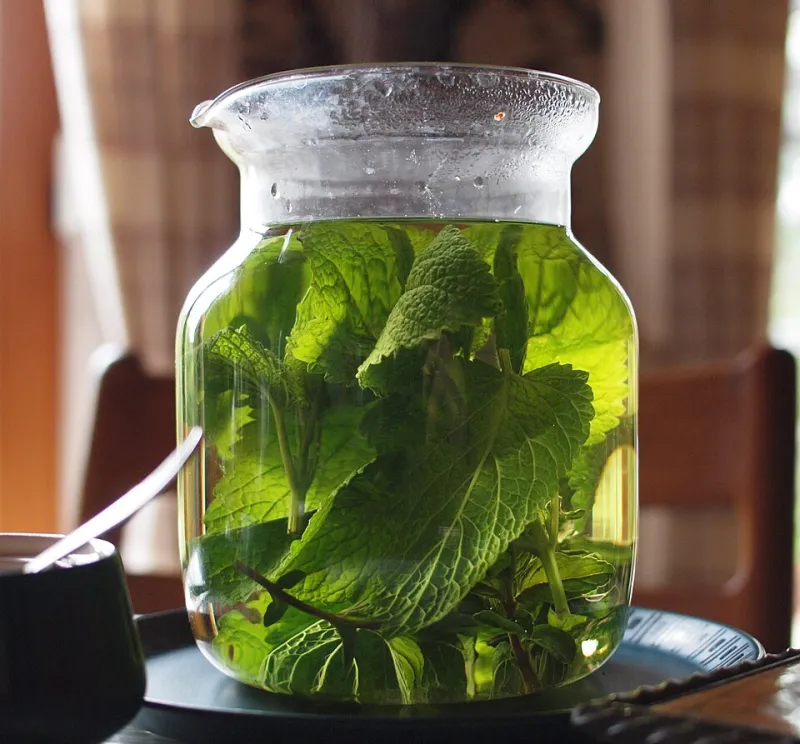
Photo: KaiMartin, CC BY-SA 3.0, via Wikimedia Commons
Walk into almost any UK health shop in November and you will meet a wall of promises. Teas that 'reset' your system. Capsules that 'banish' tiredness. Blends with names that sound like minor deities and price tags that suggest they might actually work. The language is dramatic because drama sells. But when it comes to everyday wellbeing, the herbal route I keep coming back to is considerably less exciting. It is a cup of peppermint after lunch. A lemon balm infusion before bed. A pot of warming broth on a Sunday. Boring, repeatable, affordable — and, for most people, far more useful than chasing the latest miracle blend.
The shelf that promises everything
Let us be fair to the shops. Herbal teas and supplements are businesses, and businesses use marketing. Words such as 'detox', 'cleanse', 'immunity boost' and 'ancient secret' are designed to make a simple plant sound like a shortcut. Some are harmless flourishes. Some are misleading. A tea cannot 'detox' your liver in any magical sense; your liver and kidneys do that work without needing a branded pyramid bag. A supplement is not a substitute for sleep, food, movement or a conversation with your GP. And a blend that claims to fix stress, digestion and low energy all at once is usually a blend that does none of those things particularly well.
None of this means herbal preparations are useless. It means we should ask better questions. What is in it? How much? Is there a tradition of using it this way? Does it fit my day? And, crucially, do I actually like the taste? A product that sits at the back of the cupboard because it tastes like garden mulch is not a health habit. It is a cupboard tax.
What tradition actually tends to favour
Traditional herbal practice is often imagined as a cupboard of mysterious jars. In reality, much of it is plain and practical. Herbs were used in modest amounts, in familiar preparations — teas, infusions, broths, syrups, poultices — and, importantly, in repeatable routines. The point was not a single dramatic cure. It was support: something warm at the end of the day, something bitter before a meal, something soothing for a scratchy throat. Moderation and consistency were not trendy words. They were the whole method.
That is why the 'boring' approach has a certain integrity. A daily cup of peppermint is not a wellness event. It is a small pause. A bedtime lemon balm infusion is not a sedative; it is a cue that the day is closing. A weekly broth with thyme, rosemary and garlic is not a cleanse; it is food, warmth and a reason to use the good mugs. These things work less like switches and more like rhythms.
Three small habits that earn their shelf space
The daily peppermint cup. Keep it simple: one tea bag or a small pinch of dried leaf, freshly boiled water, five minutes, and no ceremony beyond that. Many people enjoy it after a meal. It is not a cure for every digestive woe, and it is not for everyone — peppermint can worsen reflux for some — but as a low-cost, pleasant habit it is hard to beat.
The bedtime lemon balm infusion. Lemon balm has a long tradition as a gentle evening herb. Use a small handful of fresh leaves or a teaspoon of dried leaf in a cup, cover it while it steeps to keep the aromatics in, and drink it while you wind down. It will not knock you out. It does not need to. The value is in the repetition: kettle on, phone down, lights low.
The weekly warming broth. This is herbal wisdom in food form. Simmer stock with thyme, rosemary, garlic, a little ginger if you like, and whatever vegetables need using up. Strain it, season it, drink it from a mug or use it as a base for soup. It is not a 'detox'. It is hydration, warmth and a genuinely enjoyable way to use kitchen herbs.
How to start without a cupboard full of half-used packets
Start with one herb and one time of day. Not five herbs and a spreadsheet. Buy the smallest sensible amount — a single box of tea, a small dried packet, a supermarket pot of fresh mint — and give it a fortnight. If you do not look forward to it, you are allowed to stop. Herbal habits should not feel like homework.
Keep the kit modest: a mug, a small teapot or infuser, a timer you already own. Avoid the urge to buy a special cup, a frother and a shelf of tinctures in the first week. The most sustainable herbal routine is the one that survives a busy Tuesday. And if you take medication, are pregnant, breastfeeding or managing a health condition, check with a pharmacist or clinician before adding regular herbal preparations — especially supplements, which can be stronger than a cup of tea.
The honest bottom line
Miracle blends are exciting for about three days. A boring habit is still there in February. That is the quiet case for repetition: a daily cup, a bedtime infusion, a weekly broth. No dramatic claims, no expensive reset, just a small, steady relationship with a few useful plants. In a world of loud wellness marketing, that might be the most sensible herbal route of all.