Reading Between the Ingredients: A Calm Shopper’s Guide to UK Herbal Labels

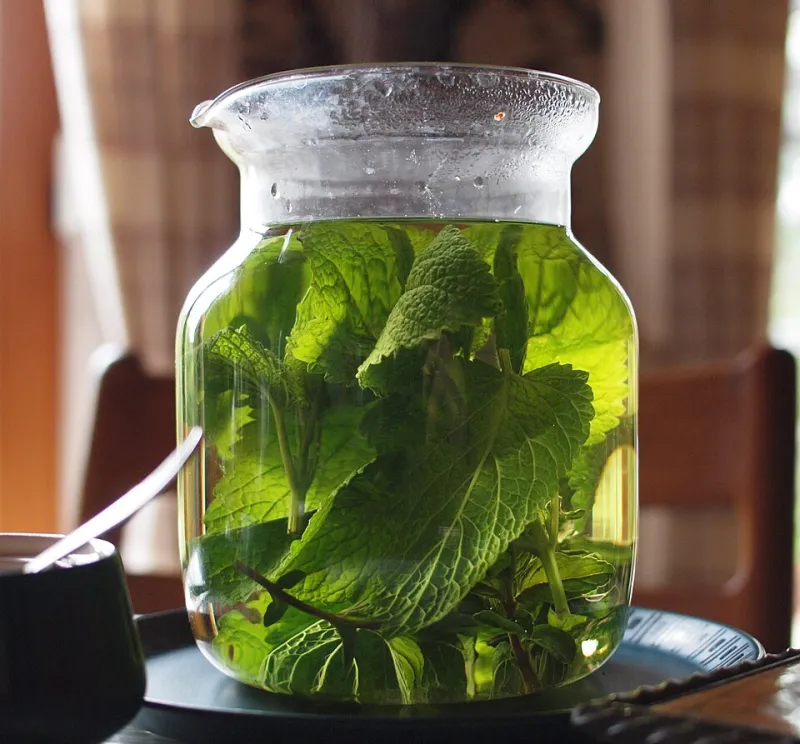
Photo: Chris Downer, CC BY-SA 2.0, via Wikimedia Commons
Picking up a box of herbal tea, a tincture or a capsule blend in a UK shop can feel like reading a legal document in a hurry. In 2026 there are more products on the shelf, more logos on the front and more confident language on the back. The good news is that most labels are not mysterious. They are a conversation starter—if you know which bits to read first.
This is not about finding the one perfect product or deciding that herbs are either miracle workers or dangerous impostors. It is about slowing down for thirty seconds and asking better questions before you pay.
Start with the product’s status: medicine or food?
The first useful clue is often a small logo or a phrase such as 'traditional herbal registration'. In the UK, the MHRA operates the Traditional Herbal Registration scheme, usually shown with a THR logo and number. These products are registered for specific minor conditions based on long-standing traditional use. That does not mean they have been through the same large clinical trials as a new pharmaceutical drug. It does mean the product has met regulatory requirements for quality, safety and patient information, and that its traditional use claim has been accepted.
Then there are food supplements. These are regulated as food, not medicine. They can carry general nutrition and health claims that are authorised for use in the UK, but they cannot claim to treat or prevent illness. A food supplement label may still say something like 'traditionally used in herbal practice', but that is different from a registered THR indication. Neither category is automatically better. They are simply different regulatory routes. The question is whether the label is clear about which one you are holding.
The phrases that do useful work—and the ones that mostly decorate
'Traditionally used for the relief of mild anxiety' on a THR product is doing real regulatory work. It tells you the claim is tied to traditional use and a registered product. 'Clinically proven' is vaguer. It may refer to a single ingredient, at a dose that is not the same as the product in your hand, in a study you cannot easily see. It is not meaningless, but it is not enough on its own.
'Organic' should come with a certification logo and a certification body. 'Pure' and 'natural' are friendly words without a fixed legal meaning in this context. 'Detox' is a marketing term rather than a defined medical one. 'Herbal' does not mean risk-free, and 'food supplement' does not mean you can take it endlessly without checking the dose.
Dosage advice is the bit most people skip
Turn the box over. Look for the serving size, the amount of herb or extract per serving, and how the product is prepared. A tea bag containing dried leaf is not the same as a concentrated extract. A tincture measured in drops is not the same as a capsule. More is not better, and doubling up because you feel impatient is a poor plan.
Check the contraindications and warnings even if you feel perfectly well. Herbal products can interact with medicines, affect blood pressure or blood sugar, or add to the effects of sedatives. Some are not suitable in pregnancy or while breastfeeding. Chamomile, for example, may not suit people with allergies to the daisy family. St John’s wort is well known for interacting with several prescription medicines. If you take regular medication, are pregnant, are breastfeeding, are due surgery or are managing a long-term condition, ask a pharmacist or GP rather than guessing from the front of the packet.
Six questions to ask before you buy
- Is this a THR product or a food supplement?
- What plant part is used—leaf, flower, root, seed—and how is it prepared?
- How much herbal material or extract is in each serving?
- Who should avoid it, and does that include me?
- Is there a batch number, an expiry date and a UK contact address?
- Does the price make sense for the dose and the number of servings?
Those questions cut through a lot of noise. They also help you compare two products fairly, rather than comparing one product’s front-of-pack promise with another’s small print.
Red flags without the fearmongering
Be cautious about labels that promise to treat serious conditions, claim 'no side effects' or use pressure language such as 'must buy today'. A missing batch number, a vague company address or no clear ingredient amounts are reasons to pause. But do not assume every unfamiliar phrase is shady. Many small UK makers are careful, transparent and genuinely knowledgeable. The useful skill is not suspicion; it is noticing what is specific and what is merely enthusiastic.
Online marketplaces and social media add another layer. A convincing video is not a regulatory check. If a THR number is shown, you can check it with the MHRA. If a product makes you unwell, the UK Yellow Card scheme lets you report suspected adverse reactions. You do not need to be a lawyer or a pharmacologist to shop well. You just need to read the back of the pack as carefully as the front.
A calmer way to choose
A good herbal product should tell you what it is, what it contains, how much to take and who should be careful. If it does that clearly, it has earned a second look. If it hides the basics behind mood words and miracle language, leave it on the shelf. That is not fear. It is just good shopping—and a decent cup of tea deserves no less.