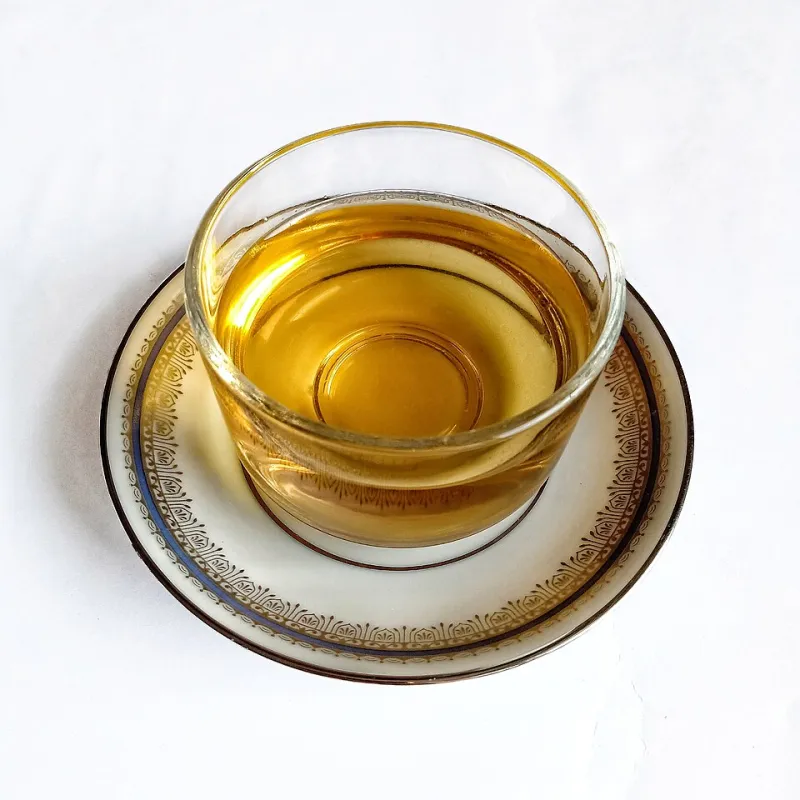
The Mug and the Medicine Cabinet: A Calm Word on Herbal Teas and Prescriptions
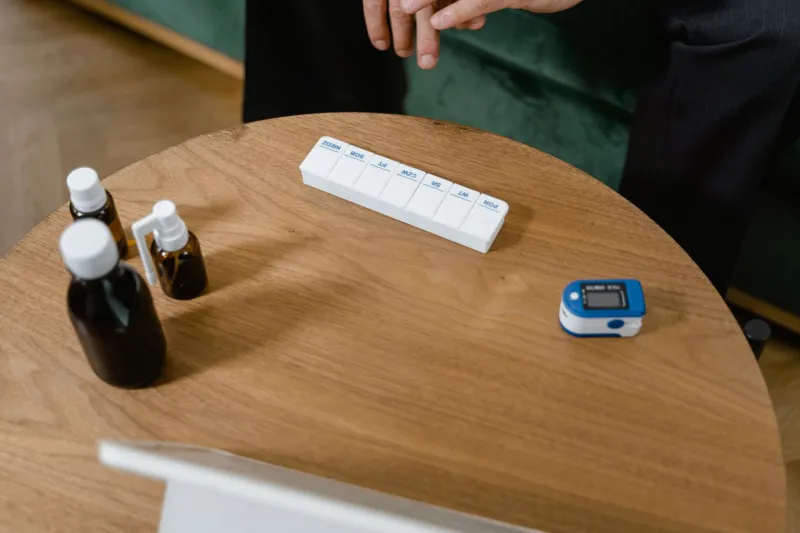
There is a particular kind of British optimism in putting the kettle on when something feels slightly off. A bit of a cold coming, a heavy head, a restless evening — the answer is steam, a spoonful of something, and five quiet minutes by the window. It is a lovely instinct, and it is one most of us inherited rather than learned.
It is also worth saying, gently and without any drama, that herbs are not decorative. They contain active compounds — the same reason a sage leaf tastes sharp and a ginger root feels warm going down. Those compounds can nudge the body in useful directions. Occasionally, they can also nudge a prescription medicine in a direction nobody intended. That's not a reason to panic or to throw the tea caddy out. It's a reason to know what's in the mug.
Your pharmacist already knows this stuff
The most underrated health resource in the UK is the person behind the counter at the high street pharmacy. No appointment, no waiting list, and they can see exactly what you're taking if you bring the boxes in — or the repeat prescription slip, or even a photo of the labels on your phone.
Say something like: I've started drinking sage tea most evenings and I'm on blood pressure tablets — is that fine? That's a two-minute conversation. It is also precisely the kind of question pharmacists answer all day, and they'd much rather have it now than after a strange week of symptoms.
If your GP surgery has a pharmacist attached, even better. Either way, this isn't a fuss. It's the same sort of check you'd do before mixing cleaning products.
Four herbs that come up again and again
Sage
A traditional gargle for scratchy throats for good reason — it's astringent and mildly antiseptic. In ordinary kitchen and teapot amounts, most people get on with it happily. Long, strong, daily brews are where tradition itself tends to say not too much, not forever, and there are good questions to ask if you're pregnant, breastfeeding, or taking thyroid medication.
Ginger
Gingerol and its relatives are the reason a cup settles a queasy stomach, and it's one of the gentler herbs in everyday use. It also has a mild blood-thinning tendency, which matters if you're on warfarin, aspirin or similar — not necessarily a no, but a mention to the pharmacist.
Liquorice
Here's a good example of why labels matter. Genuine liquorice root can raise blood pressure and lower potassium over time, which is a real consideration for anyone on diuretics or blood pressure medication. Plenty of "liquorice" teabags, though, are flavoured with anise or a compound rather than the root itself. Read the ingredients; the difference is meaningful.
St John's wort
This is the one to treat with genuine respect. It's a well-known liver enzyme inducer, which is a clinical way of saying it can speed up how your body clears other medicines — including certain antidepressants, the contraceptive pill, warfarin, and some medicines used after transplant. It's also a herb people take for low mood, sometimes quietly alongside a prescription. That combination deserves a proper conversation with a GP or pharmacist, not a guess.
Reading the box like you mean it
Herbal products in the UK come with a few signposts worth knowing.
- The THR mark. A Traditional Herbal Registration logo means the product is registered with the MHRA for traditional use, with a stated dose and listed warnings.
- The warnings panel. Look for phrases like do not take if you are taking, consult your doctor, not suitable during pregnancy. These are not legal boilerplate; they're the useful bit.
- The dose on the pack, not the folklore. A teabag is not the same as a concentrated tincture, and a cup is not the same as a handful.
- The Yellow Card Scheme. If you suspect a herb has caused a side effect, you can report it to the MHRA. It takes a few minutes and it helps everyone else.
A five-minute herbal diary
This is the least medical-sounding thing in this article, and possibly the most useful. Keep a note on your phone — no spreadsheet required — with four short lines:
- What you drank or took, and roughly how much.
- When, and how often that week.
- Anything you noticed: sleep, digestion, headaches, mood, bruising.
- What prescription medicines you take, so it's all in one place if you're asked.
After a fortnight you'll have a small, honest record instead of a vague memory. It also stops the opposite problem: convincing yourself that a tea is either a miracle or a menace when the truth is usually it's fine, in moderation, for me.
When it's more than a cuppa
Do speak to a GP rather than a teapot if you notice unexplained bruising or bleeding, dizziness, a racing heart, swelling, a persistent change in how you feel, or anything that arrives shortly after starting a new herb. NHS 111 can help you work out how urgent it is, and a pharmacist can advise on interactions without an appointment at all.
And one quiet but important point: never stop a prescribed medicine because a herbal tea seemed to be doing the same job. That's a conversation, not a swap.
The point isn't fear
None of this is an argument for a nervous kitchen. Herbal teas are one of the small pleasures of a British winter, and for most people, most of the time, a mug of sage or ginger is exactly what it appears to be: warm, pleasant, and mildly helpful. The aim is simply to brew with your eyes open — to know that the tea and the tablets share a body, and that a pharmacist is a free, friendly person to ask.
Put the kettle on. Just give the box a glance first.