Calendula, Quietly: Growing the Pot Marigold for Teas and Balms
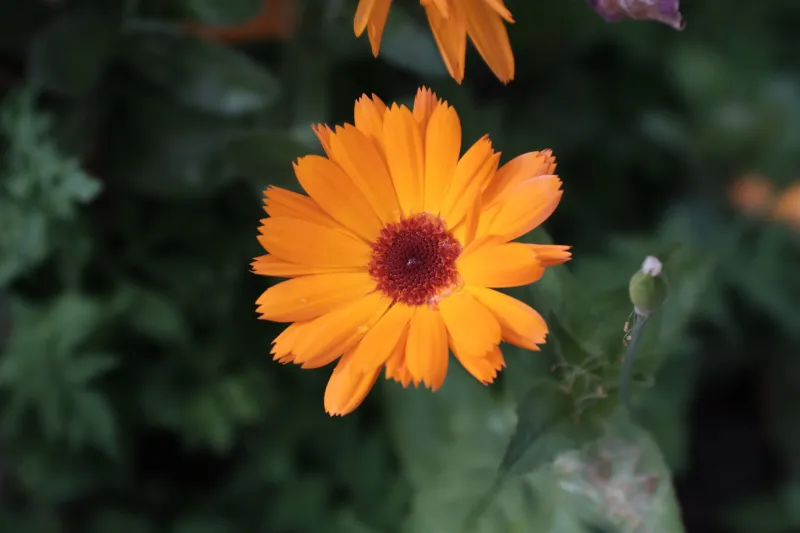
Calendula is one of those plants that quietly gets on with things. It does not need a heated greenhouse or a grand border. A sunny corner of an allotment, a decent pot by the back door, or a patch of bare earth after the broad beans come out will do nicely. The flowers are cheerful, the leaves are modest, and the whole plant has a knack for making a British growing season feel more generous than it probably deserves.
That easy-going nature is exactly why pot marigold, Calendula officinalis, has stayed in kitchen gardens and herb beds for so long. It is useful without being fussy, and pretty without demanding to be the centre of attention. If you have been meaning to grow something you can actually pick, dry and use, calendula is a sensible place to start.
Why calendula earns its patch
There are plenty of herbs that ask for careful drainage, a sheltered spot and a bit of luck with the weather. Calendula asks for sun, reasonably ordinary soil and someone to deadhead it now and then. In return it gives you a long run of orange and yellow flowers, often from early summer until the first proper frosts. The bees like it. The slugs mostly leave it alone once it is established. And unlike some herbs that sulk after a wet week, calendula tends to shrug and carry on.
On an allotment, that reliability matters. You can tuck it between rows of vegetables, use it as a cheerful edge to a bed, or let a few plants self-seed in a corner. It is not a thug, but it is relaxed about moving around. If you do not want it wandering, pick the flowers before they set seed and you will keep it more or less where you put it.
Sowing for a British season
Pot marigold is usually grown as a hardy annual. In most of the UK, sow outdoors from March to May once the soil has warmed a little. You can also sow in late summer or early autumn in milder areas, where the plants may overwinter and give you earlier flowers the following season. In colder spots, spring sowing is the safer bet.
Sow the seeds about a centimetre deep in a sunny patch. They are fairly large and easy to handle, which makes them good for children or for anyone who finds tiny seeds fiddly. Thin the seedlings so they have around 20 to 30 centimetres between them. You can start them in modules if you prefer, but calendula does not really need the pampering. Direct sowing is simpler, and the plants seem to catch up quickly.
If you are growing in pots, use a decent peat-free compost and keep the plants watered during dry spells. A pot on a sunny patio can work well, though it will need more attention than an allotment plant with its roots in real soil. Do not let the compost dry out completely, but do not drown it either. Calendula dislikes sitting in soggy conditions, especially in winter.
Picking and drying without the faff
Pick the flowers when they are fully open and dry. Mid-morning on a sunny day is ideal, once the dew has lifted but before the heat of the afternoon. Use scissors and leave a short stem if you want to dry the whole flower head, or just twist off the bloom if you are using it fresh. Keep picking and the plant will keep producing. Letting every flower go to seed tells the plant its work is done.
For drying, spread the flowers thinly on a rack or a clean cloth in a warm, dark, well-ventilated room. A spare bedroom, an airing cupboard with the door ajar, or a dry shed works well. You want them to dry fairly quickly so they keep their colour and do not go mouldy. Turn them gently every day or so. When the petals feel papery and the centre is dry, they are ready.
Store the dried flowers in a clean glass jar with a tight lid, away from direct sunlight. Label it with the date. Dried calendula will not last forever, but it should keep its colour and usefulness for around a year if stored properly.
The marigold mix-up
This is the bit worth saying plainly. Pot marigold is Calendula officinalis. The bright, ferny-leaved marigolds sold in bedding displays are usually Tagetes, such as French or African marigolds. They are not the same plant and should not be treated as interchangeable. Tagetes has a strong, sometimes sharp scent and finely divided leaves. Calendula has softer, pale green leaves and daisy-like flowers in shades of orange and yellow. If you are growing herbs for teas or homemade balms, check the botanical name on the seed packet rather than trusting the word marigold on its own.
Infusions and infused oils
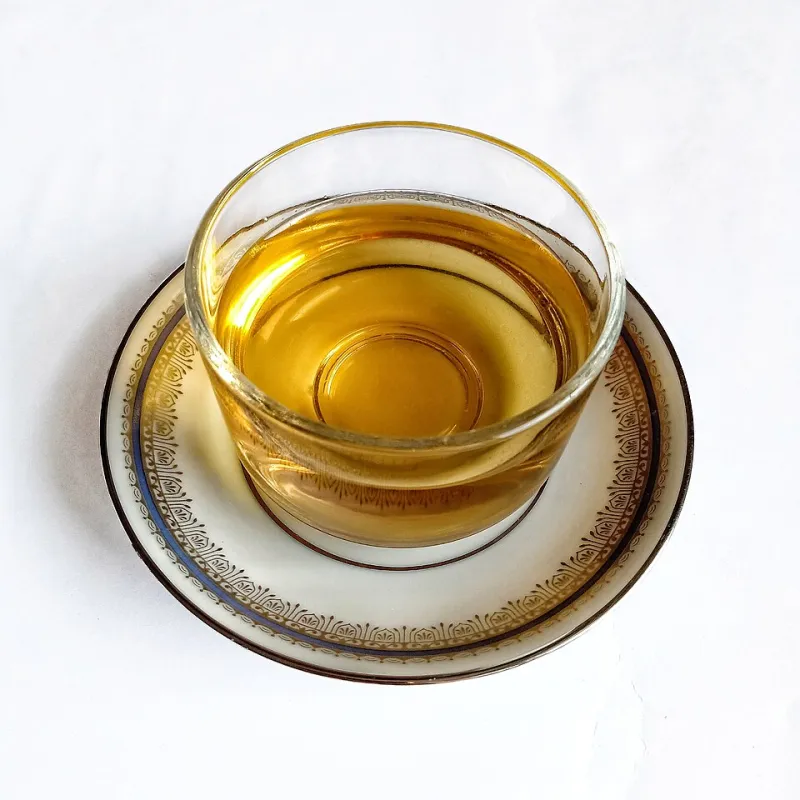
Dried calendula petals make a gentle, mildly earthy infusion. Use a teaspoon or two of dried flowers per mug, cover with just-boiled water and leave to steep for five to ten minutes. It is pleasant on its own or blended with mint or lemon balm. As with any herb, start small and see how you get on.
For infused oil, fill a clean dry jar loosely with thoroughly dried calendula flowers. Cover with a plain carrier oil such as sunflower or olive oil, making sure all the plant material is under the surface. Put the lid on and leave the jar in a warm spot for two to four weeks, shaking it now and then. Strain through muslin, squeeze out the oil, and store it in a clean bottle in a cool, dark place. Use dried flowers, not fresh ones, because water in fresh petals can encourage mould.
A simple balm, sensibly made
A basic calendula balm is not complicated. Gently warm around 100 millilitres of calendula infused oil with 10 to 15 grams of beeswax until the wax melts, then pour into small clean tins or jars. Test a little on the inside of your wrist first. This is a simple skin balm, not a cure-all, and it should not be used on broken or infected skin without proper advice.
Calendula is generally considered gentle, but herbal ingredients can still cause reactions. Avoid it if you are allergic to plants in the daisy family. If you are pregnant, breastfeeding, on medication or managing a health condition, check with a qualified herbal practitioner or pharmacist before using calendula internally. And keep your homemade balms clearly labelled, away from children, and out of the bathroom cupboard chaos.
Grown well and used sensibly, pot marigold is one of the most rewarding herbs a UK plot can offer. It asks for little, gives plenty, and quietly earns its place beside the practical things we actually use.