The Kettle, the Bowl and the Towel: A Grounded Guide to Herbal Steam
Photo: Edgar Degas, Public domain, via Wikimedia Commons
November has a way of making every window feel like a small act of defiance. The heating clicks on, the washing refuses to dry, and somewhere around the second week, a cold starts making itself at home. This is the season when the kettle earns its keep. And for many British households, the old bowl-and-towel routine comes back out too: hot water, a handful of something herbal, a towel over the head, and a few quiet minutes breathing in the steam.
It is a humble ritual. It is also one that gets wrapped in more claims than it deserves. So let us take the sorcery out of it. Steam inhalation can be a soothing, sensible thing to do when your nose is congested and your head feels packed with wet cotton wool. It is not a cure for infection, a substitute for medical advice, or a reason to hover your face over a cauldron of boiling water. Done simply and safely, it is a small comfort on a dark evening. That is enough.
What a Bowl of Steam Can and Cannot Do
Warm, moist air can temporarily ease the feeling of a blocked nose and dry, irritated airways. Many people find it loosens things a little, or at least makes breathing feel less like a chore. The evidence is not dramatic. Steam inhalation is generally regarded as a comfort measure rather than a treatment, and studies on herbal additions are limited. That does not make it useless; it just means we should keep our expectations on the sensible side of the kettle.
What steam will not do is kill off a cold, replace prescribed medication, or guarantee you a night of unbroken sleep. If you are wheezing, breathless, coughing up blood, running a high temperature that will not settle, or feeling unwell for more than a few weeks, skip the bowl and speak to a pharmacist or GP. Herbal traditions are at their best when they sit alongside ordinary good sense, not in place of it.
Which Kitchen Herbs Earn Their Place
You do not need a cabinet of exotic ingredients. The point of a home inhalation is simplicity, and most of what follows is already in a British kitchen or a modest herb tin.
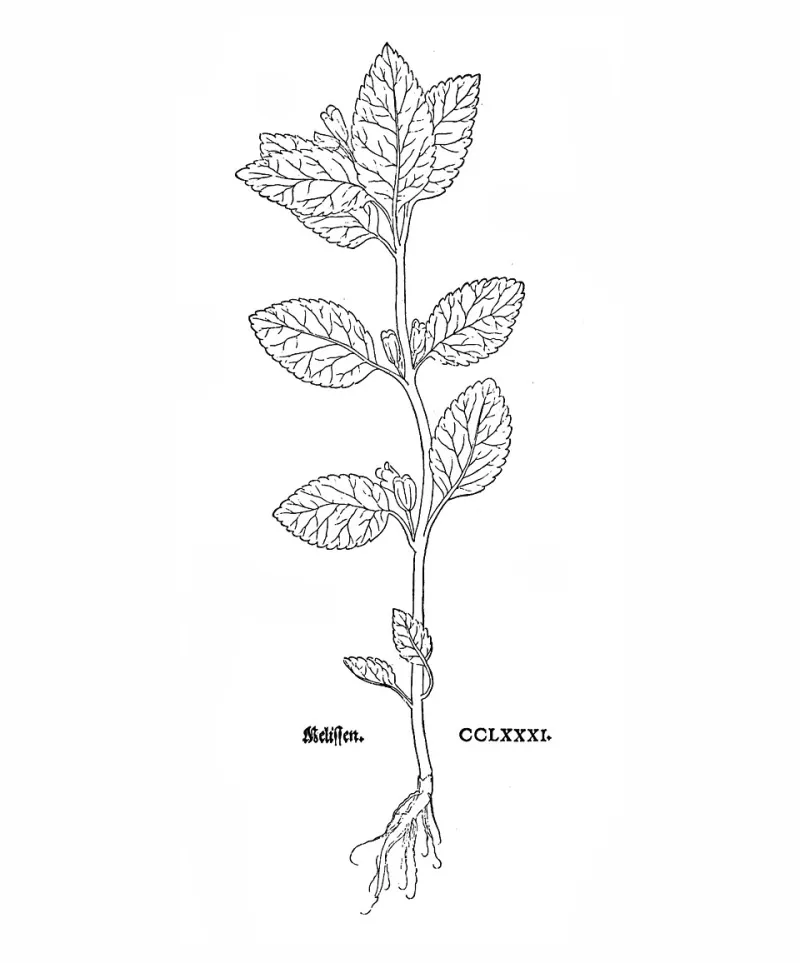
Thyme is the traditional favourite for chesty, cold-season breathing. It has a clean, slightly medicinal scent and a long history in European home practice. A small pinch of dried thyme or a few fresh sprigs is plenty. Sage is another old kitchen standby, though its aroma is stronger and more savoury; use it sparingly unless you want your kitchen to smell like Sunday lunch. Rosemary is bracing and resinous, and a little goes a long way. Peppermint, either loose leaf or a plain tea bag, gives a bright, clearing sensation without much fuss. Chamomile is less about congestion and more about the ritual itself: soft, apple-scented, and calming when you are tired and fed up.
What about essential oils? They are not necessary, and they are easy to overdo. If you already use them and know your skin and lungs tolerate them, one drop in a bowl of hot water is the upper limit for most adults. Do not add a generous glug because it smells nice. Strong essential oils can irritate eyes, skin and airways, and they are not suitable for young children. For a straightforward home inhalation, dried or fresh herbs are the kinder, simpler choice.
The Method, Minus the Machismo
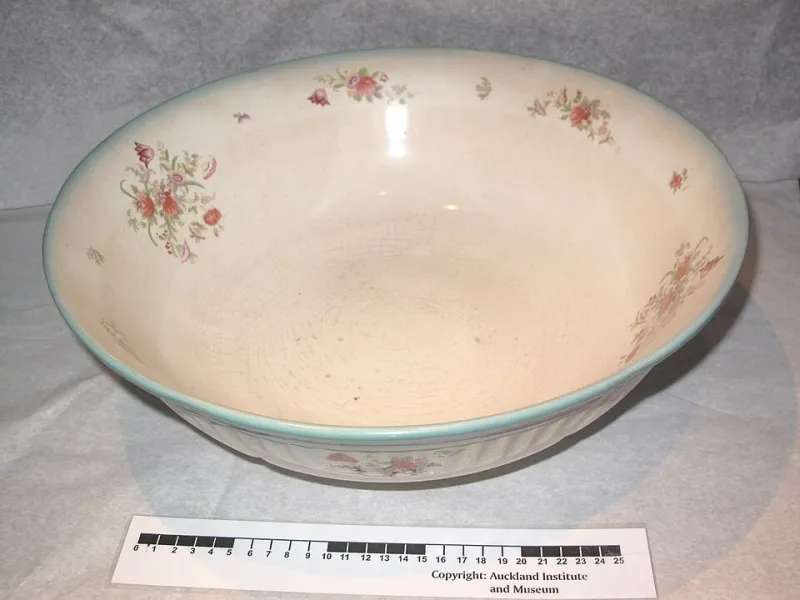
Start with a heatproof bowl on a stable, uncluttered surface. A large mixing bowl is ideal; a flimsy plastic one is not. Boil the kettle, then pour the water into the bowl and let it stand for two or three minutes. This short pause matters. Water straight from a rolling boil is a scald waiting to happen, and the steam is just as useful once it has calmed slightly.
Add your herbs after the water has settled. A teaspoon of dried thyme, a small handful of fresh mint, or a plain peppermint tea bag is enough. Stir once, then sit down. Lean over the bowl at a comfortable distance, perhaps 20 to 30 centimetres away, and drape a towel over your head and the bowl to make a loose tent. Keep your eyes closed. Breathe normally through your nose and mouth, taking slow, easy breaths. Do not try to gulp the steam or get your face as close as possible. Five to ten minutes is usually ample. If you feel dizzy, overheated or uncomfortable, stop, sit back and let the steam go without you.
Afterwards, tip the bowl away carefully, rinse it, and have a glass of water or a warm drink. A dab of petroleum jelly or a simple lip balm around the nostrils can help if the skin feels chapped from tissues. Then put the kettle on for tea, not another round of steam. Once or twice a day is plenty for most people; more is not better.
Safety First, Always
This is not one for children. Steam inhalation carries a real risk of scalds, and young children should not do it at all. Older children and teenagers should only try it with close adult supervision, and even then, a warm shower or a humid room may be a gentler option. If you have asthma, COPD or another lung condition, check with your GP or pharmacist before adding herbal steam to your routine. Some people find strong aromas trigger coughing or tightness.
Never add boiling water to a bowl while someone is already leaning over it. Never leave a hot bowl on the floor where it can be knocked. Never use steam inhalation as a way to 'sweat out' a fever, and never add essential oils to a bowl intended for a child. If you have broken or irritated skin on your face, skip it. If you wear contact lenses, take them out first. These are not fussy rules; they are the difference between a comforting ritual and an avoidable accident.
A Small Ritual for Dark Evenings
The best thing about herbal steam is that it asks very little of you. A kettle, a bowl, a towel, and a pinch of something from the cupboard. It does not need a special diffuser, a subscription, or a complicated protocol. It fits into the gap between putting the dinner plates away and going up to bed, when the house is quiet and your nose is anything but.
Think of it as a pause rather than a treatment. The steam may help you feel clearer for a while; the warmth and the few minutes of stillness may help just as much. In a season of early sunsets and crowded trains, that is not a small thing. Just keep the claims modest, the water sensible, and the towel within reach. Tradition is at its most useful when it is stripped back to what actually works, and what actually feels kind.