Warm Feet, Quiet Mind: A Sensible Guide to the British Herbal Foot Soak
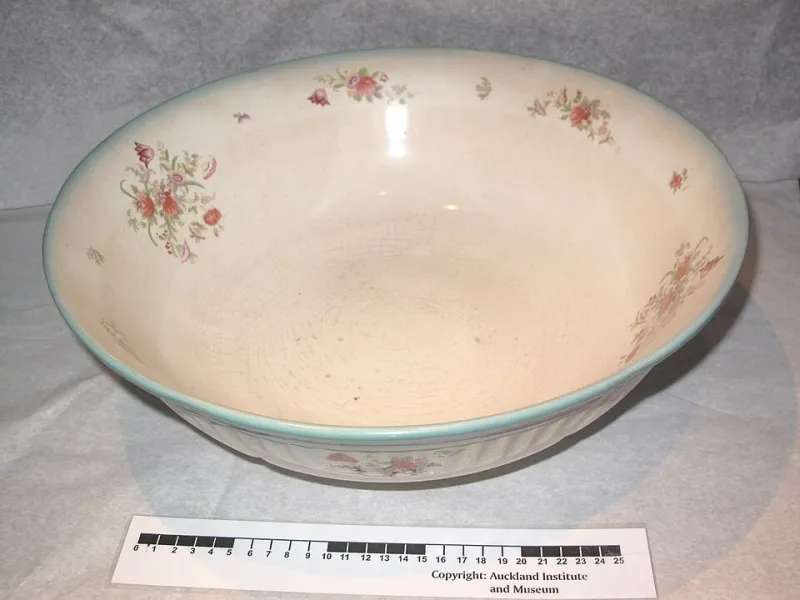
Photo: Unknown, CC BY 4.0, via Wikimedia Commons
By November, many British homes have a familiar problem: the heating is on, the nights are long, and feet that were fine in September now feel like blocks of ice by 8pm. The traditional answer is not a supplement or a gadget. It is a basin of warm water, a towel, and ten quiet minutes. The herbal foot soak is one of those old rituals that sounds almost too simple to matter. That is precisely why it is worth revisiting.
Why the foot soak survives
It survives because it asks very little of you. No special equipment, no subscription, no blender. A washing-up bowl will do. The ritual is also beautifully adaptable: plain warm water is a fine start, and a few kitchen herbs can make it feel more purposeful. Traditionally, warmth at the feet has been associated with winding down, easing the chill after a long walk, and marking the end of the working day. We do not need to dress that up as medicine. It is comfort, and comfort has value.
What to put in the basin
Rosemary. A strong rosemary infusion — pour hot water over a handful of fresh sprigs or a couple of tablespoons of dried leaf, steep for ten minutes, strain, then add to the basin — is a traditional favourite. It smells clean and resinous, and it makes the soak feel less like a bucket and more like a ritual. Do not add essential oil directly to the water; it will sit on the surface and can irritate skin.
Ginger. Grated fresh ginger can be steeped in hot water and strained into the basin for a warming soak. Some people love the tingle; others find it too much. Start with a small piece, and keep the water comfortably warm rather than hot.
Mustard powder. This is an old British household remedy, often used for chilly feet. It is also the one to treat with the most caution. Mustard can irritate skin, so use a small amount — a teaspoon or two — in a basin of warm water, and patch-test first. If your skin is sensitive, skip it. If you have broken skin, varicose veins, neuropathy or circulation problems, do not experiment with mustard soaks.
Plain salt or Epsom salt is another simple option. It does not 'draw out toxins', despite what the internet says, but it makes the water feel silky and the ritual feel a bit more deliberate. A handful is plenty.
A safe, simple soak at home
Fill a basin with warm water — comfortably warm, not hot. A good test is your wrist or elbow, not just your foot. If you have reduced sensation in your feet, use a thermometer and aim for about 37–40°C, and check with a clinician if you are unsure. Sit somewhere stable, with the basin on a towel or bath mat so it does not slide. Soak for 10–15 minutes. Longer is not better; pruned, over-soaked skin is more easily irritated.
When you finish, dry your feet thoroughly, especially between the toes. Moisture trapped there is not helpful. Apply a simple moisturiser if your skin feels dry, and put on clean socks if the house is cold. Clean the basin afterwards and let it dry. If you have added herbs, strain them out so they do not clog the drain.
Who should take extra care
Diabetes. Reduced sensation in the feet means you may not feel water that is too hot. Use a thermometer, keep the soak lukewarm, inspect your feet afterwards, and ask your diabetes team or GP if you are unsure. Do not add mustard or strong herbal preparations without advice.
Circulation concerns. If you have known circulation problems, varicose veins or a history of clots, avoid very hot water and long soaks, and check with your clinician first. Warmth can be soothing, but it is not risk-free for everyone.
Sensitive skin. Start with plain warm water. If you want to try rosemary or ginger, keep the amount small and stop if there is redness, itching or stinging. Patch-test any mustard preparation on a small area first — or simply leave it out.
Pregnancy. A warm foot soak can be lovely when you are pregnant, but avoid overheating. Keep the water comfortably warm rather than hot, keep the room ventilated, and do not stay in so long that you feel faint or flushed. If you have any concerns, ask your midwife.
When to skip the soak
Skip hot soaks if you have open wounds, cuts, ulcers, a current skin infection or severely swollen legs. Do not soak feet that are numb or have lost sensation unless a clinician has said it is safe. Avoid hot soaks after alcohol, if you feel faint, or if you have a heart condition that makes you prone to fluid overload — check with your GP. And if a soak makes your feet more painful, redder or more swollen, stop and seek advice.
A small ritual, not a cure-all
The herbal foot soak will not fix circulation, cure a cold or replace medical care. It does not need to. Its job is smaller and more honest: warm feet, a quiet ten minutes, and a gentle full stop at the end of a dark November day. Rosemary, ginger or a pinch of mustard are optional extras. The real ingredient is the pause.