A Small-Space Herbal Trio: Mint, Lemon Balm and Chamomile on a British Windowsill
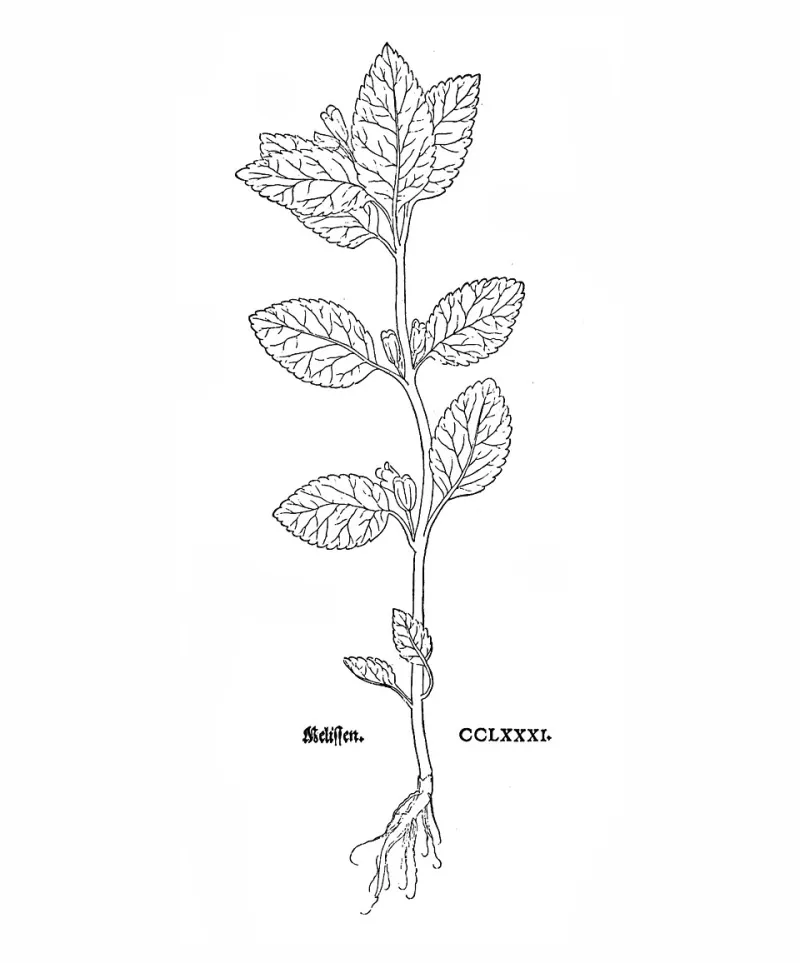
Photo: Unknown authorUnknown author, Public domain, via Wikimedia Commons
A windowsill in a rented flat is not a herb garden, and that is fine. It is a small, bright ledge where three forgiving plants can earn their keep. Mint, lemon balm and chamomile are not a pharmacy. They are a routine: something to water, something to snip, something to steep at the end of a British day when the heating is on and the sky went dark at four.
This guide is for anyone with a windowsill, a small balcony or a kitchen shelf that gets a decent slice of light. It is not about producing mountains of herbs. It is about growing enough for a few cups and learning as you go.
First, a realistic look at light
UK windowsills vary wildly. A south-facing window is the prize: bright, warm and generous. East is gentle and usually fine. West gives good afternoon light. North-facing is the tricky one—mint may manage, but lemon balm and chamomile will stretch and sulk. Rotate your pots every week or so, because plants lean towards the light and a lopsided herb is harder to harvest.
Keep pots away from radiators and draughty single-glazed gaps. On a balcony, watch the wind; it dries compost faster than you expect. A saucer under each pot protects the sill, but empty it after watering so roots are not sitting in a puddle. In winter, growth slows. That is not failure. It is the season.
Mint: the reliable starter
Mint is the herb that makes beginners feel competent. Buy a small pot from a supermarket or garden centre, or ask a friend for a rooted cutting. Keep it in its own pot, because mint spreads by runners and will happily invade its neighbours. Use a peat-free multipurpose compost and a pot with drainage holes.
Water when the top centimetre or two of compost feels dry. Mint likes moisture but not swamp. Pinch out the top leaves to keep it bushy. Harvest from the top down, never stripping a stem bare. For a simple cup, take five to seven fresh leaves, tear them slightly, add just-boiled water and steep for four to six minutes. It is bright, familiar and very forgiving.
Lemon balm: the gentle volunteer
Lemon balm is a member of the mint family, so it shares the same basic needs: light, drainage and regular pinching. It can get leggy indoors, especially in low winter light. Cut it back now and then and it will usually push out fresh growth. The scent is the point—a green, lemon-sharp smell that makes a kitchen feel more alive.
Use four to six fresh leaves per cup and steep for five minutes. It blends well with mint when you want something lighter than a heavy evening tea. A word of sense: lemon balm is not a free pass for everyone. If you take thyroid medication or sedatives, or you are pregnant or breastfeeding, check with a pharmacist or GP before making it a daily habit. That is not scaremongering; it is just good manners to your body.
Chamomile: the slow, sunny one
Chamomile is the diva of the trio. German chamomile is an annual that wants sun and gentle handling. Sow seed in spring in a small pot, barely covering it, and keep it warm. On a windowsill it may manage; on a sunny balcony it will do better. Water carefully—chamomile seedlings dislike being drowned—and thin them so one sturdy plant has room.
Harvest the flowers when the petals are fully open and the centres are still firm. Use them fresh or dry them on a clean cloth or a low oven with the door ajar. For tea, use about one to two teaspoons of dried flowers per cup, cover the cup while it steeps for five to ten minutes, and strain. If you have a known allergy to daisies or related plants, skip chamomile and enjoy the mint instead.
Simple blends for a calmer routine
Try two parts lemon balm to one part mint for a fresh evening cup. Or one part chamomile to one part mint when you want something softer. Use a teaspoon per mug as a starting point, adjust to taste, and steep with a saucer over the top to keep the aromatics in. A little honey is allowed. So is drinking it simply because it is pleasant.
Keeping things going through a UK year
In autumn, move pots to the brightest spot you have and cut back on watering. Do not feed much in winter; the plants are resting. Mint may die back and return in spring. Lemon balm often does the same. Chamomile is an annual, so expect to resow. Keep a few notes on your phone—what worked, what got leggy, which window was brightest in February. Small observations add up.
When home-grown herbs are a comfort, not a cure
A windowsill herb corner is a lovely routine. It gives you something to tend, something to sniff, something warm to hold. It is not a treatment for anxiety, insomnia or low mood, and it should not replace medical advice. If sleep or worry is becoming persistent, speak to your GP. If you take regular medication, check for interactions before making any herb a daily fixture.
Grow the mint. Make the tea. Enjoy the small green thing on the sill. Just keep the expectations as modest as the space—and let the comfort be real without asking it to be a cure.